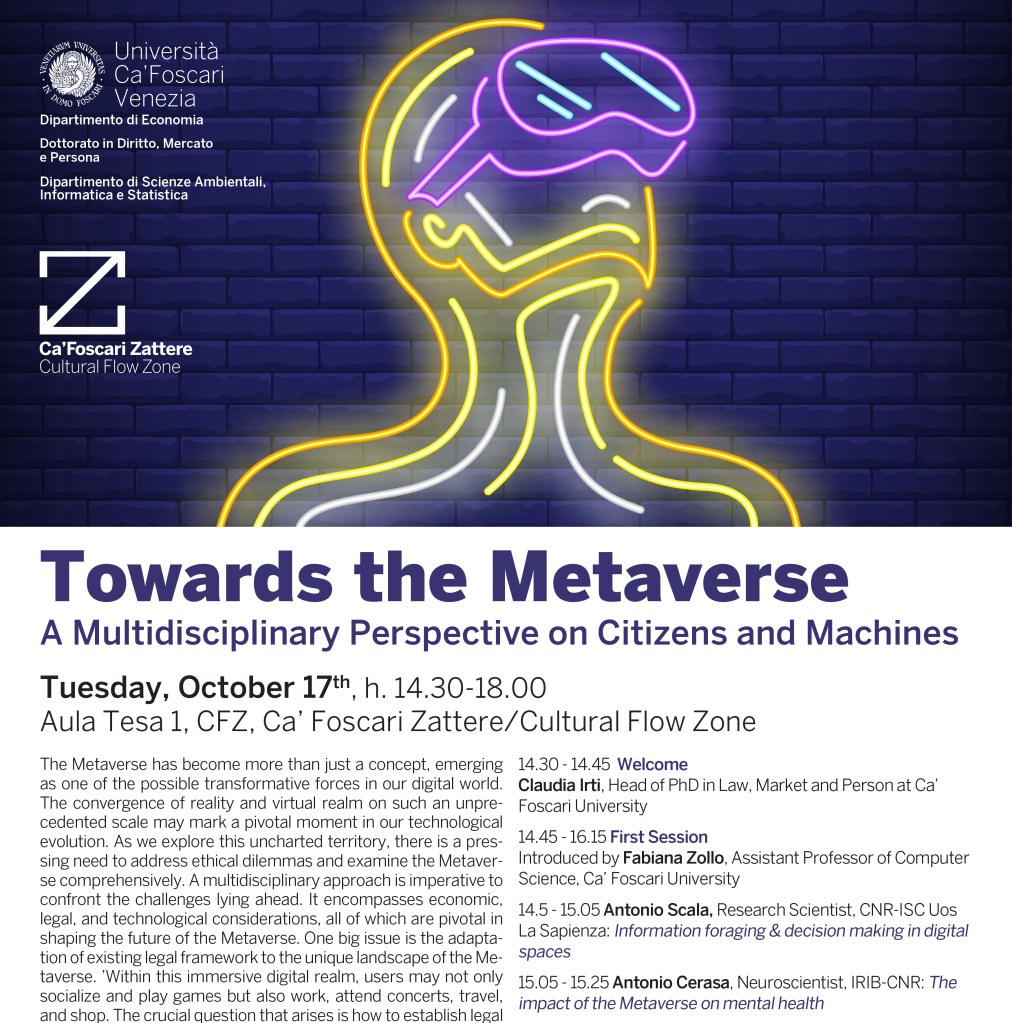
NEUROSCIENCE & ART – IULM University Milan

COMING SOON…..

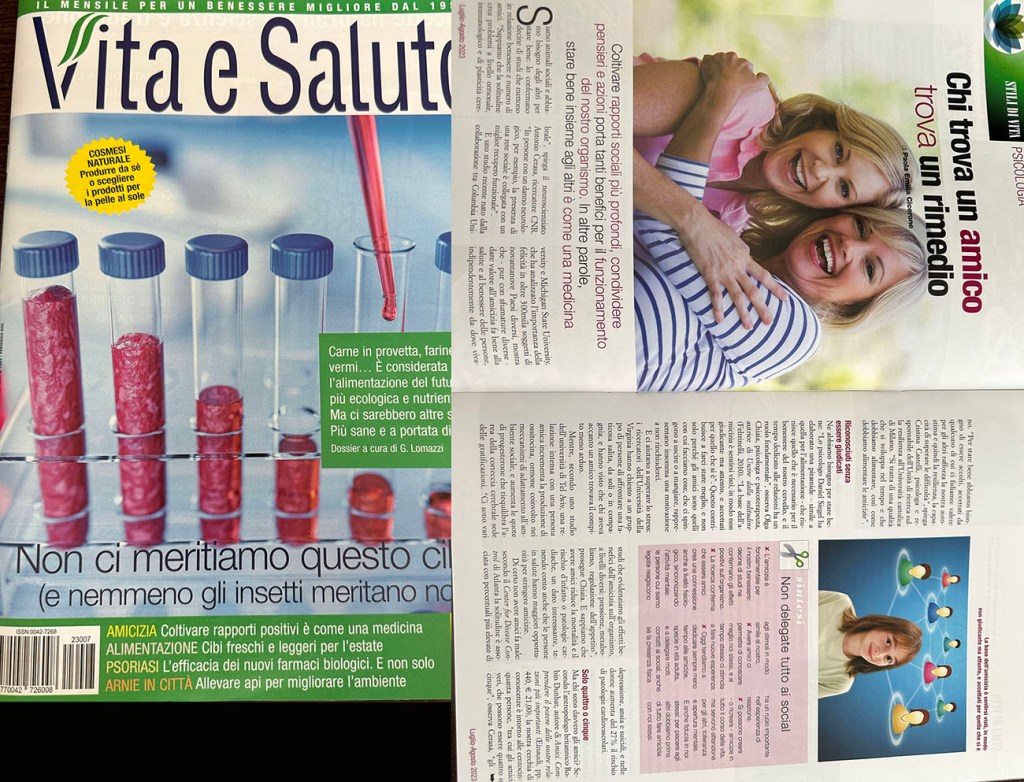
Chi trova un amico…… – Intervista Vita&Salute
Come le relazioni sociali formano la mente umana
Gli effetti benefici del nuoto sulla mente – Intervista LaRepubblica

Parte il progetto MOF-GCA

Lo scopo di questo studio multicentrico è applicare un nuovo approccio computazionale che fornisce previsioni del decorso clinico sul singolo paziente in base a solidi predittori, che sono stati validati scientificamente. E’ necessario un modello matematico dinamico che tenga conto della non linearità dell’evoluzione clinica, caratterizzata da un’elevata variabilità dei segni clinici e comorbilità, dei sintomi e dei trattamenti. DATI PRELIMINARI: Partendo dalle evidenze fornite da van der Vliet et al., (Annals of Neurology 2020) e dallo studio in revisione presso la rivista Scientific Reports, in cui il gruppo di ricerca del CNR ha dimostrato che la combinazione di variabili come (feeding modality, RLAS, ERBI, Tracheostomy, CRS-r) riesce a predire e definire le traiettorie dei pazienti GCA che avranno un good vs poor outcome dal giorno 86 dall’evento, in questo studio multicentrico ci concentreremo sulla definizione delle traiettorie delle progressioni cliniche delle 3 principali eziologie di pazienti con GCA: stroke, traumatico e anossico.
Intervista MIND


Coffee Talk

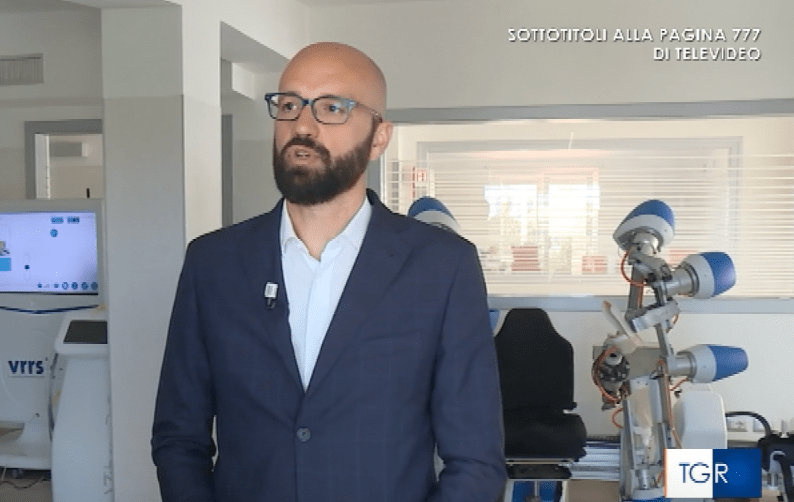
Intervista TG3 Calabria
When Mathematics meets Psychology
The new era of hybrid neuroscience.
Our new mathematical modeling to prevent the dynamics of pedestrian crowds during exceptional tragic events based on the emotional contagion phenomena
Thanks to Marcello Pompa; Simona Panunzi & Andrea De Gaetano.

 antoniocerasa